Short answer: Injection blow molding can produce small and medium-sized pharmaceutical, cosmetic, food and chemical containers. LIANXIN application data lists PE, HDPE, LDPE, PP and PS across a general 2 mL–1,200 mL range, but the exact resin grade, neck, bottle geometry, mold and output target determine the suitable machine.
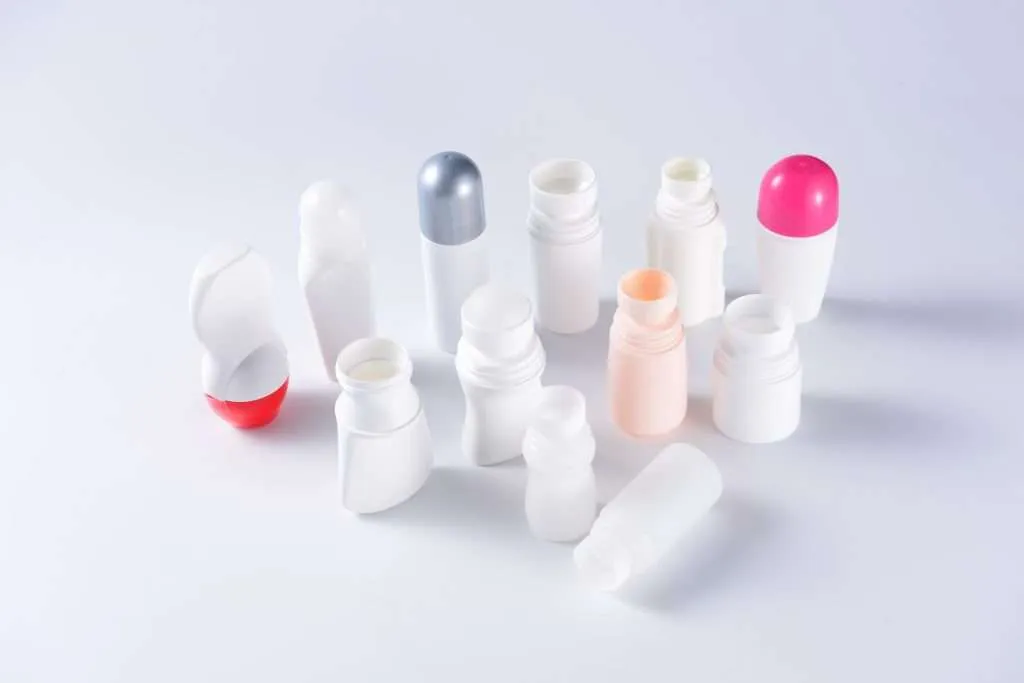
This broad range includes conventional round bottles as well as flat, oval, slim and wide-mouth containers. It also includes products such as eye-drop bottles, dairy bottles, cosmetic jars, roll-on perfume bottles, mascara containers, chemical bottles and animal-vaccine bottles.
Which Materials Can Be Used?
LIANXIN's application material lists five resin families for injection blow molding:
- PE (polyethylene)
- HDPE (high-density polyethylene)
- LDPE (low-density polyethylene)
- PP (polypropylene)
- PS (polystyrene)
This list is a starting point, not a substitute for a material trial. Different grades within the same resin family can behave differently during injection and blowing. Before selecting equipment or tooling, confirm the exact grade, color or additive package, regulatory needs and finished-container performance with the machine and mold supplier.
The United Nations Industrial Development Organization's Plastics in Packaging publication describes injection blow molding as injection molding a preform, transferring it on a core rod to the blow mold and ejecting the finished container. It also notes that the screw finish becomes the final bottle finish and is molded to close tolerances. This process reference does not establish that every resin grade is suitable, so LIANXIN's stated PE, HDPE, LDPE, PP and PS capability should still be verified for the exact grade, bottle and mold.
What Bottle Sizes Are Possible?
The general capacity range stated in the LIANXIN application data is 2 ml to 1200 ml. This does not mean that every bottle within that range fits every machine model. A 2 ml precision container and a 1200 ml wide-body bottle create very different demands for the mold, neck, wall distribution and production cycle.
Capacity is only one selection factor. Overall height and width, neck diameter, bottle weight, number of cavities, material and required output should be reviewed together. For an accurate proposal, start with a dimensioned bottle drawing or a physical sample rather than capacity alone.
Pharmaceutical Bottle Applications
Pharmaceutical packaging places strong emphasis on container hygiene, dimensional consistency and a well-formed neck that can work with the selected closure. LIANXIN's application material describes pharmaceutical projects from 3 ml to 1000 ml and lists eye-drop bottle experience at 5, 10, 15, 18, 20 and 25 ml.
For regulated products, resin name alone is not evidence of package suitability. The European Medicines Agency guideline on plastic primary packaging materials calls for documentation of the plastic immediate-packaging material based on dosage form and route of administration, with data justifying the material choice in relation to the medicinal product's stability, integrity and compatibility. It does not establish container-closure-system performance or approve a molding machine.
These projects may also require coordinated development of the bottle, cap and inner-plug molds. Treating the container and closure as one packaging system helps the supplier evaluate neck dimensions and fit during sample approval. A glossy surface is another result highlighted in the application material, but the final appearance should be confirmed against an approved sample.
Food and Dairy Bottle Applications
For food packaging, the source material specifically identifies HDPE dairy bottles. These containers require a machine-and-mold solution designed around the agreed bottle shape and hygiene expectations of the project.
In the United States, 21 CFR 177.1520 sets identity, specification and use-condition requirements for qualifying olefin polymers such as polyethylene and polypropylene in food-contact articles. 21 CFR 177.1640 separately covers qualifying polystyrene. These rules do not mean every PE, PP or PS grade is automatically suitable for food contact.
Flat, oval or slim food containers need particular attention because their geometry can make stable forming more demanding than a simple round bottle. LIANXIN's application guidance therefore emphasizes stable equipment and mold performance for unusual shapes. Bottle drawings, wall-distribution targets and sample tests should be part of the decision process.
Cosmetic Packaging Applications
Injection blow molding can support a varied cosmetic packaging portfolio. The supplied examples include Vaseline-style bottles, wide-mouth jars, roll-on perfume bottles and mascara containers. These products differ in neck opening, body shape and surface expectations, so they should not be treated as interchangeable applications.
For cosmetic projects, define the visible surface standard, color, cap or applicator interface, base shape and decoration area before tooling begins. If the container will be paired with a roll-on fitment, plug, cap or brush assembly, provide those mating components for evaluation.
Chemical and Animal-Vaccine Containers
LIANXIN's application overview also lists chemical bottles and animal-vaccine bottles. For these applications, the intended contents and closure system should be disclosed during technical review so the customer can confirm the chosen material and package requirements independently.
The molding machine creates the container, but suitability for a particular chemical, sterilization method or regulated use depends on the full packaging specification. Required testing and compliance documentation should be defined by the customer for the exact product and market.
Can Injection Blow Molding Produce Unusual Shapes?
Yes. The source images and application text show round, rectangular, oval, flat, slim, wide-mouth and shaped containers. However, a possible shape is not automatically an easy production project. Shoulder transitions, corners, narrow sections, base geometry and off-center features can influence how material is distributed.
For non-standard bottles, share a 3D file or dimensioned drawing early. The machine supplier and mold maker can then review the geometry together and determine whether changes are needed before finalizing the equipment configuration.
Information to Prepare for a Machine Proposal
- Bottle drawing or sample: Include capacity, height, width, neck finish and critical tolerances.
- Exact material: State the resin family and grade, plus color or additives when known.
- Application: Explain what the container will hold and which closure or fitment it uses.
- Target output: Give the required bottles per hour and expected operating schedule.
- Quality requirements: Define surface appearance, wall distribution, bottle weight and dimensional checks.
- Mold plan: State whether a new bottle, cap or inner-plug mold is required.
- Reference components: Provide caps, plugs, applicators or other mating parts for fit evaluation.
Frequently Asked Questions
What plastics can an injection blow molding machine process?
LIANXIN's published application data lists PE, HDPE, LDPE, PP and PS. Compatibility of a specific resin grade should be confirmed for the actual bottle and mold.
What is the bottle-size range?
The stated general range is 2 ml to 1200 ml. The suitable machine model depends on more than volume, including the bottle dimensions, weight, neck, cavities and output requirement.
Can it make eye-drop bottles?
Yes. The application material lists eye-drop bottle project experience at 5, 10, 15, 18, 20 and 25 ml, together with coordinated cap and inner-plug mold support.
Can it make flat or oval bottles?
Yes, but unusual shapes require careful review of bottle geometry, mold design and process stability. A sample or dimensioned drawing is the best starting point.
Can machine suitability be assumed from the resin family alone?
No. The commercial grade, additives, bottle weight and geometry, mold, closure, intended contents and quality limits all affect process suitability.
Authoritative Technical References
- UNIDO: Plastics in Packaging technical publication
- U.S. eCFR: 21 CFR 177.1520 Olefin Polymers
- U.S. eCFR: 21 CFR 177.1640 Polystyrene
- European Medicines Agency: plastic primary packaging materials
Conclusion
Injection blow molding covers a useful range of resins, capacities and container styles, but successful machine selection begins with the actual package. Review the LIANXIN IBM-H range, then send the bottle drawing or sample, exact material, closure components, target output and quality standard so the machine and mold can be evaluated as one production solution.