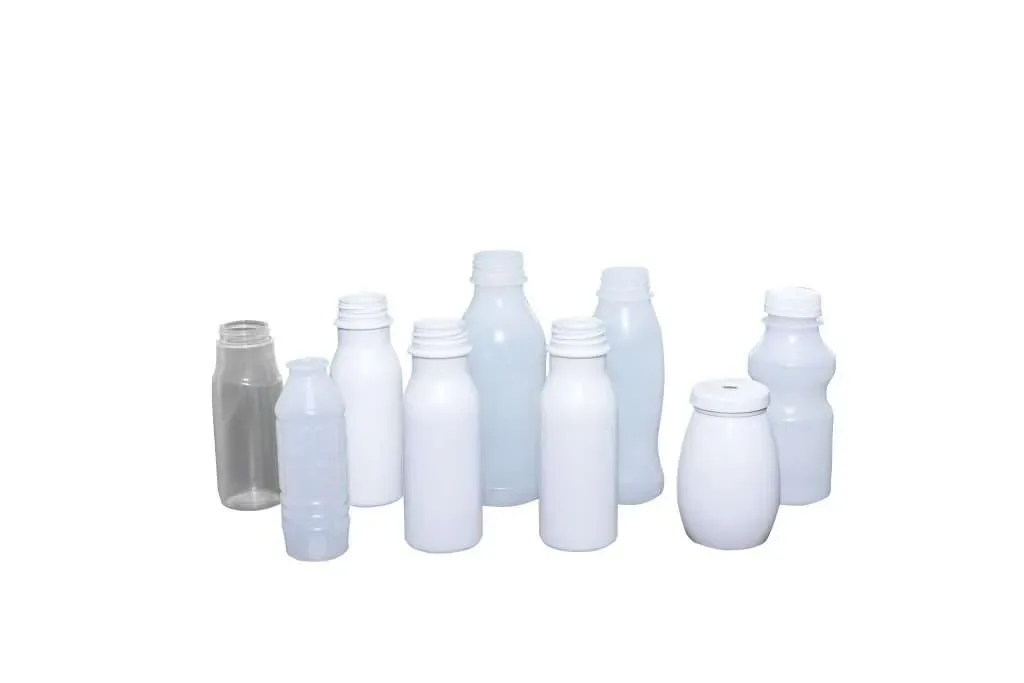
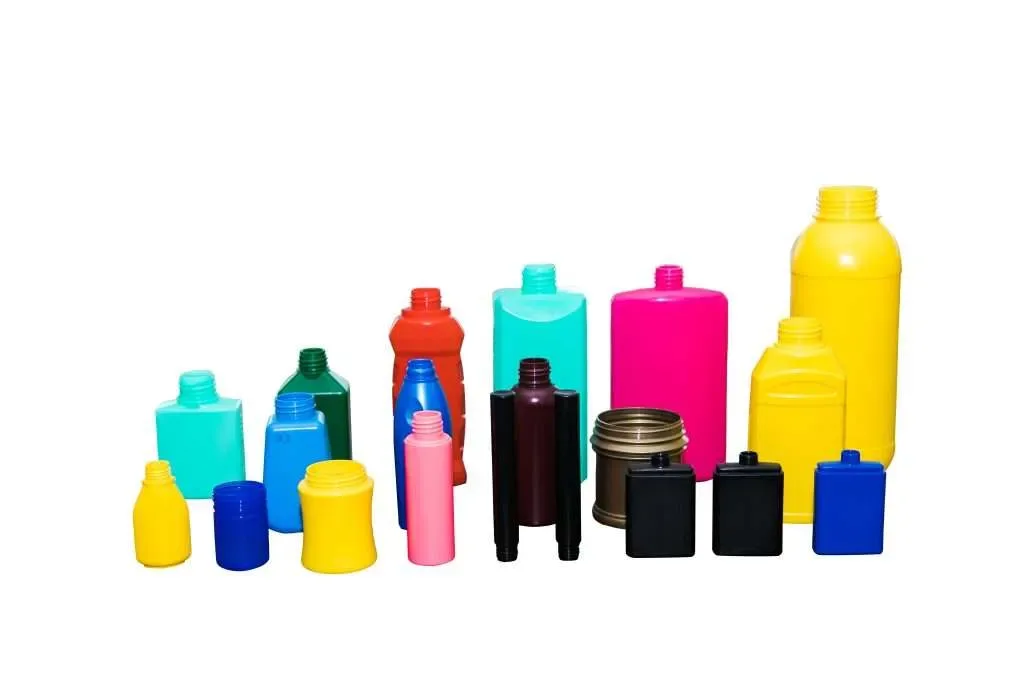
A “cleanroom-ready” injection blow molding machine is not a certified cleanroom and does not make a validated process by itself. Buyers should define the required environment, contamination risks, machine features, bottle-handling path and qualification evidence in a user requirement specification before comparing equipment.
1. Define What “Clean” Means for the Product
Start with the package and regulatory strategy. Is the bottle for a nonsterile cosmetic, oral pharmaceutical, ophthalmic product, diagnostic reagent or another application? Define viable and nonviable contamination concerns, exposed surfaces, allowable materials and required monitoring.
ISO 14644-1 classifies air cleanliness by airborne particle concentration. That classification addresses the room or zone under stated conditions; it is not a performance badge that can be assigned to a standalone molding machine.
2. Map Contamination Sources
- Hydraulic oil, grease and other lubricants
- Wear particles from moving mechanisms
- Unfiltered compressed air or leaks
- Resin dust, colorant and open material transfer
- Operators, maintenance activities and cleaning tools
- Open conveyors, bins and packaging steps after ejection
- Condensation or microbial growth in poorly managed utilities
Use the risk map to decide which features matter. Removing one hydraulic component will not control an open discharge conveyor, and a covered conveyor will not correct dirty blow air.
3. Compare Machine Architecture Carefully
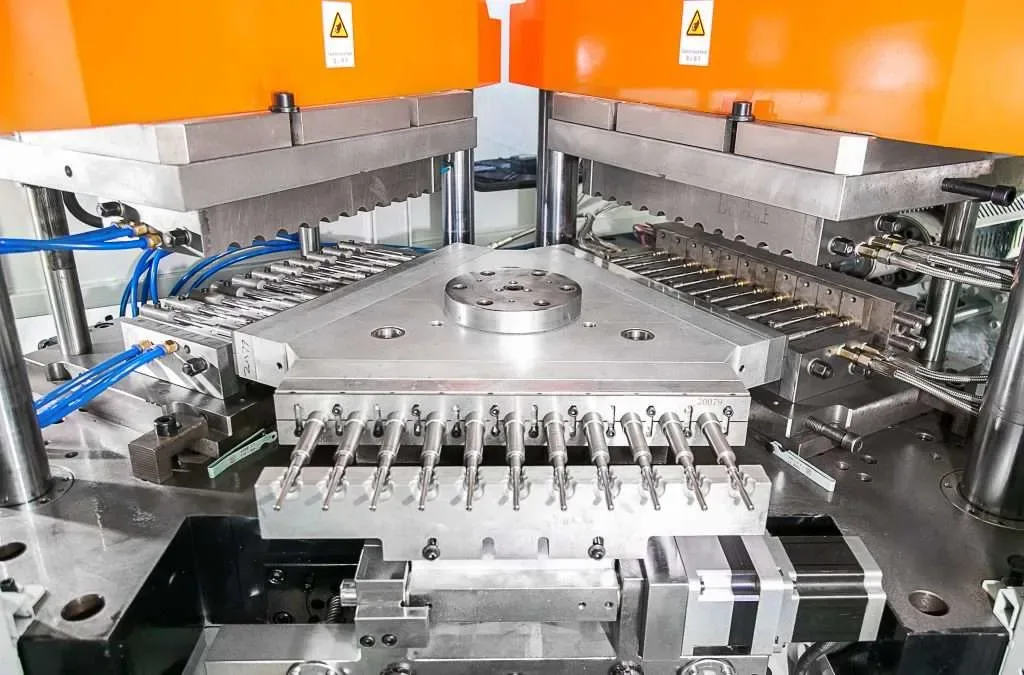
Full-electric drives can reduce hydraulic circuits and support precise, quiet motion. LIANXIN describes its IBM-E range as full electric and its IBBM platform as fully electric and oil-free in operation. The IBM-H range is promoted with cleanroom-ready configurations and a bottom-mounted clamping cylinder intended to help prevent oil leakage contamination.
These are supplier design statements, not proof of suitability for a specific cleanroom. Ask for lubrication maps, hydraulic schematics, materials of construction, particle-control features, cleaning access and installed references relevant to the intended environment.
4. Specify Product-Zone Materials and Cleaning Access
Identify the product zone and adjacent support zones. State acceptable surface materials, finishes, exposed fasteners, ledges, cable routing and drain or cleaning restrictions. Require access to inspect and clean around the mold, core rods, ejection and bottle transfer path.
Cleaning procedures should name the agent, concentration, contact time, tools, disassembly and inspection method. Confirm material compatibility with guards, seals, paint, labels and electrical components.
Where the equipment is used in manufacturing, processing, packing or holding a U.S.-regulated drug product, 21 CFR 211.67 requires equipment and utensils to be cleaned, maintained and, as appropriate, sanitized at suitable intervals under written procedures. That rule is relevant to the qualified pharmaceutical operation; it is not a universal certification for a standalone molding machine.
5. Control Air, Cooling and Resin Utilities
Document blow-air quality, filtration, pressure, dew point and monitoring. Define cooling-water quality and condensation controls. Use closed material transfer where the risk assessment requires it, and decide where resin drying, blending and color dosing will sit relative to the clean area.
Utility specifications belong in the purchase package. A machine tested on clean, stable utilities at the supplier may behave differently on a plant system with pressure variation, high humidity or contaminated air.
6. Protect the Bottle After Ejection
The bottle path is often the weak link. Decide whether bottles move directly to filling, through a covered conveyor, into controlled bags or into another room. Minimize open drops and manual contact. Define reject segregation, sample collection and recovery after a line stop.
| Interface | Requirement to resolve |
|---|---|
| Ejection | How is the bottle released without uncontrolled contact? |
| Conveying | Is the path enclosed, cleanable and pressure-compatible? |
| Inspection | Where are leak and vision systems located? |
| Packing | How are bags or containers introduced and closed? |
| Maintenance | Can work occur without spreading contamination to the product zone? |
7. Build Qualification Evidence Into the Order
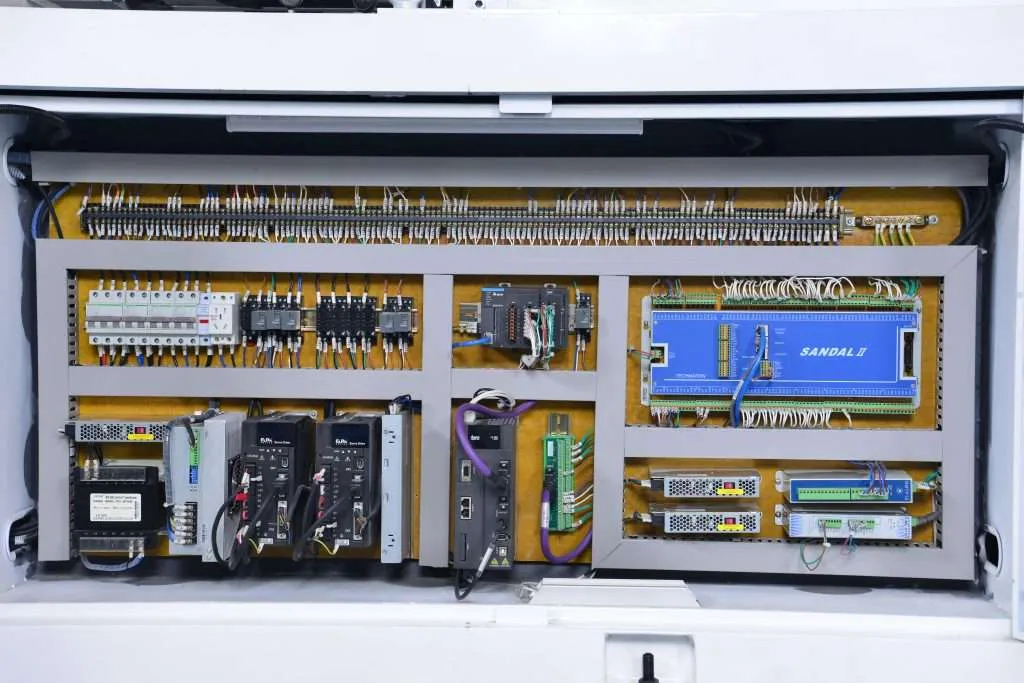
Define design documents, material certificates, calibration points, software backups, alarm lists, manuals, spare parts and training. Align factory and site acceptance tests with the user requirement specification. Include bottle-quality trials and the evidence needed for the owner's qualification protocol.
Cleanroom design and start-up are lifecycle activities. ISO 14644-4 covers the process from requirements through design, construction and start-up and notes the importance of maintenance for continued satisfactory operation.
8. Audit Service and Change Control
Ask how remote support, on-site service, replacement parts and software changes are controlled. Define cleaning after maintenance and requalification triggers. A machine that performs well at start-up can become a contamination risk if seals, guards or lubrication practices drift.
To compare configurations, send LIANXIN the bottle brief and cleanroom URS. Keep final room classification and process validation with the facility owner and qualified specialists.
Frequently Asked Questions
What does cleanroom-ready injection blow molding mean?
It should mean the machine can be configured and documented for integration into a defined controlled environment. The phrase alone is not a classification or validation result.
Is a full-electric machine automatically cleanroom compliant?
No. Full-electric motion can remove some hydraulic risks, but the room, air, material handling, bottle path, cleaning and maintenance system still determine suitability.
Who certifies the cleanroom?
The facility owner normally works with qualified design, testing and certification specialists. The machine supplier provides equipment information and supports integration and qualification activities.
Should blow air be filtered?
Air quality and filtration should be defined by the product risk assessment and process requirements. Pressure, dew point, oil, particles and microbial concerns may all be relevant.
Can a hybrid IBM machine run in a cleanroom?
Potentially, with an appropriate configuration and risk controls. Review hydraulic location, leak containment, lubrication, access and the complete bottle-handling system.