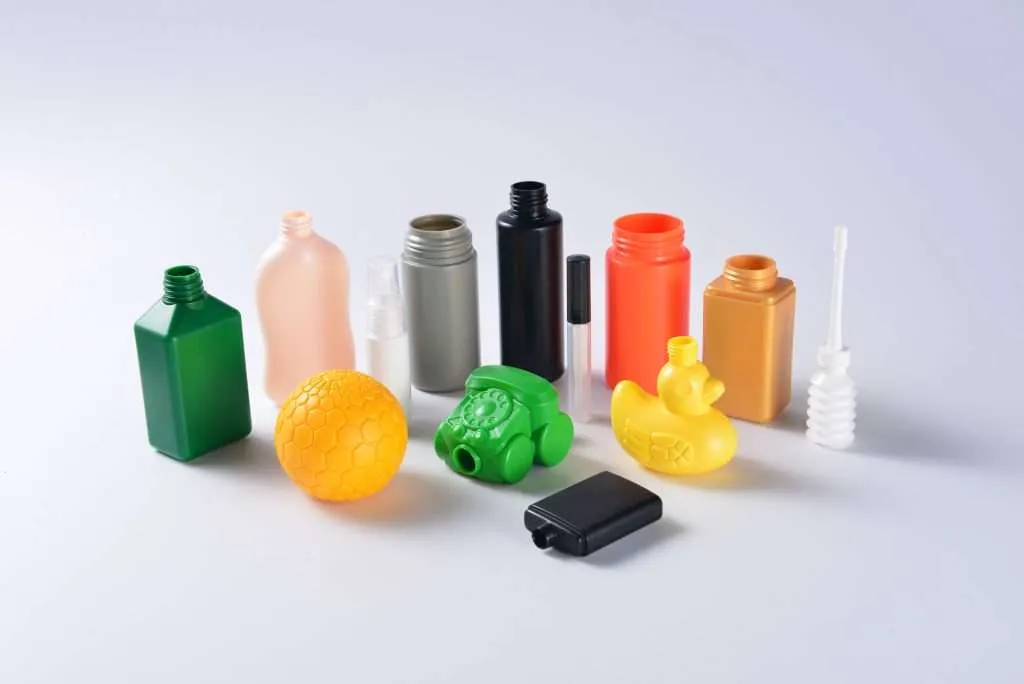
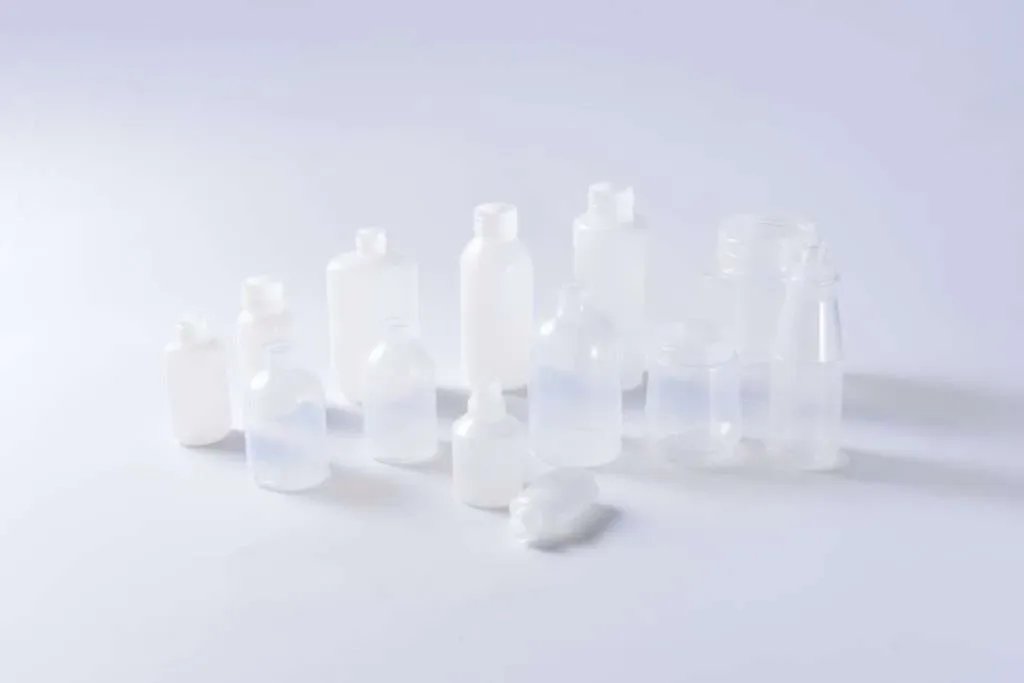
HDPE is often the starting point for tough, moisture-resistant bottles, while PP is considered when higher temperature capability, stiffness or a different surface feel matters. Neither resin wins universally: select the commercial grade against the filled product, closure, process window and market rules, then confirm the choice with molded samples and package testing.
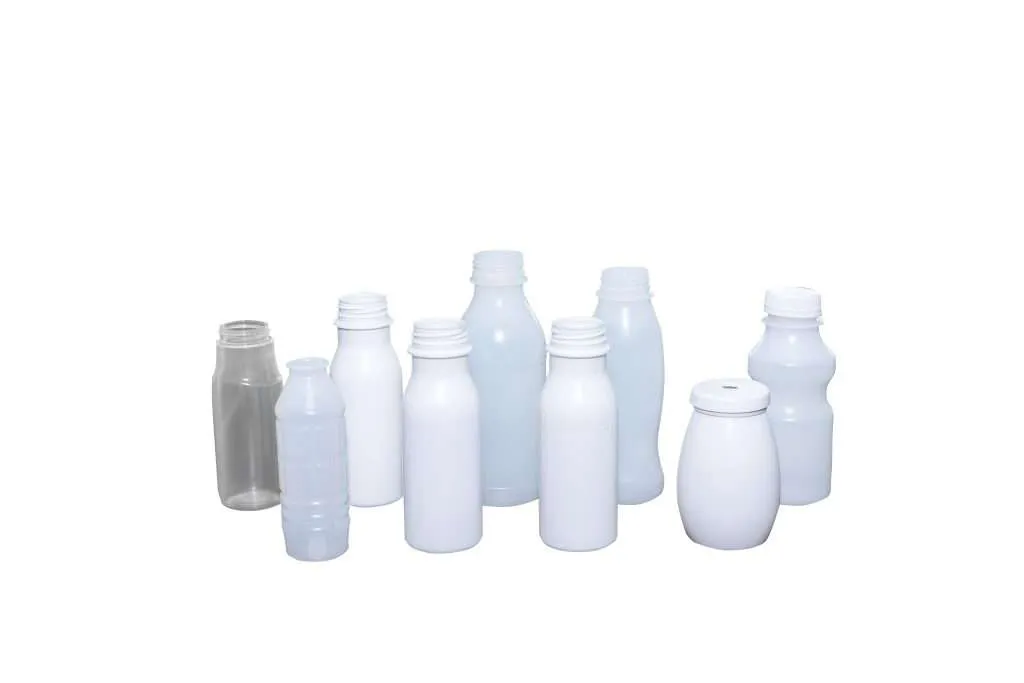
What HDPE and PP Have in Common
High-density polyethylene and polypropylene are both polyolefins. They are widely available in multiple grades and can offer useful moisture resistance and chemical resistance. LIANXIN includes both HDPE and PP in the materials processed across its injection blow molding applications.
The family name is not a complete specification. Density, melt flow, molecular-weight distribution, copolymer content, additives and color package differ by grade. Always obtain a current technical data sheet and regulatory declaration from the resin supplier.
Practical Differences for Bottle Projects
| Decision factor | HDPE tendency | PP tendency |
|---|---|---|
| Low-temperature toughness | Often favorable | Grade-dependent; assess impact at use temperature |
| Heat resistance | Lower continuous-use range in typical comparisons | Often higher softening and service temperature |
| Stiffness and hardness | Tough with a waxier feel | Often stiffer and harder |
| Appearance | Commonly translucent to opaque | Translucent; clarity depends strongly on grade and wall |
| Density | Higher than PP in common grades | Lower density can affect part-weight calculations |
ISO 17855-2:2024 and ISO 19069-2:2024 specify controlled specimen preparation and property-testing methods for PE and PP materials. The table above is therefore only a screening comparison; final decisions require the exact grade data and production-representative bottle tests.
Start With the Filled Product
Ask what the bottle must contain and encounter over its life: water, oil, alcohol, surfactant, active ingredient, flavor, fragrance or aggressive chemical. Consider concentration, contact time, filling temperature, sterilization or hot storage, light exposure and transport conditions.
Chemical-resistance charts are useful for screening, but the final package may behave differently because of stress, molding history, pigment, closure torque and permeation. Run compatibility and stability studies using production-representative bottles and closures.
Consider the Neck and Closure as One System
A resin change can alter shrinkage, neck dimensions, thread feel, sealing force and drop performance. Do not freeze the bottle body and evaluate the cap later. Share the cap material, liner, torque window and leak-test method with the bottle and mold teams.
For small pharmaceutical, food or cosmetic bottles, the molded neck is a major reason to consider injection blow molding. Dimensional targets should be agreed for critical thread, sealing and tamper-evident features before tooling approval.
Food-Contact and Regulatory Review
In the United States, 21 CFR 177.1520 describes conditions for certain olefin polymers used as components of food-contact articles. The European Commission food-contact legislation page identifies Regulation (EC) 1935/2004, good manufacturing practice requirements and specific measures for materials including plastics within the EU framework.
Do not describe a bottle as food grade only because the polymer is HDPE or PP. Confirm the exact resin, colorant and additives, the intended food type, temperature and time conditions, and any required migration testing.
Run a Structured Molding Trial
Compare candidate grades on the intended machine and mold where possible. Record melt and mold conditions, bottle weight, cycle time and reject causes. Measure critical neck and body dimensions after an agreed conditioning period.
- Visual appearance, color and surface consistency
- Brimful capacity and weight variation
- Leakage and closure fit
- Drop, squeeze, top-load or vacuum performance as applicable
- Product compatibility, permeation and shelf-life results
The winning resin is the grade that produces a stable process and passes package tests at acceptable total cost. To review equipment compatibility, send LIANXIN the grade data sheet and bottle drawing.
Frequently Asked Questions
Is HDPE better than PP for bottles?
Not generally. HDPE often offers strong toughness and practical bottle performance, while PP may suit higher-temperature or stiffness requirements. The filled-product test decides.
Can the same injection blow mold run HDPE and PP?
Sometimes, but shrinkage, process temperatures and bottle behavior may differ. The mold and machine supplier should review the change before production.
Which resin is clearer?
Both are usually translucent rather than glass-clear in ordinary bottle grades. Clarity depends on grade, wall design, additives and processing; clear PET projects may point toward ISBM.
Are HDPE and PP automatically food safe?
No. Compliance applies to the specific formulation and conditions of use. Obtain supplier documentation and complete the required package evaluation.
What data should I send for a resin review?
Send the technical and regulatory data sheets, intended contents, fill and storage temperatures, bottle drawing, color system and required package tests.