HDPE milk bottle production needs more than a blow molding cycle: the resin, bottle, closure, molding room, filling line and cold-chain package must work as one hygienic system. Injection blow molding can suit selected small dairy bottles that need a molded neck, provided geometry, output and food-contact requirements are confirmed before equipment selection.
Why HDPE Is Common in Milk Packaging
The UNIDO Plastics in Packaging report notes that HDPE has lower water-vapor and gas permeability than LDPE, stronger resistance to odors and flavors, and established use in bottles. The same report warns that dairy packaging must protect against light and microbiological spoilage. These are general packaging properties, so the resin grade, pigment system, wall design and shelf-life performance still require project testing.
Do not order resin only by the letters HDPE. Confirm the commercial grade, melt behavior, additives, colorant and food-contact declaration for the intended market and conditions of use.
Decide Whether Injection Blow Molding Fits the Bottle
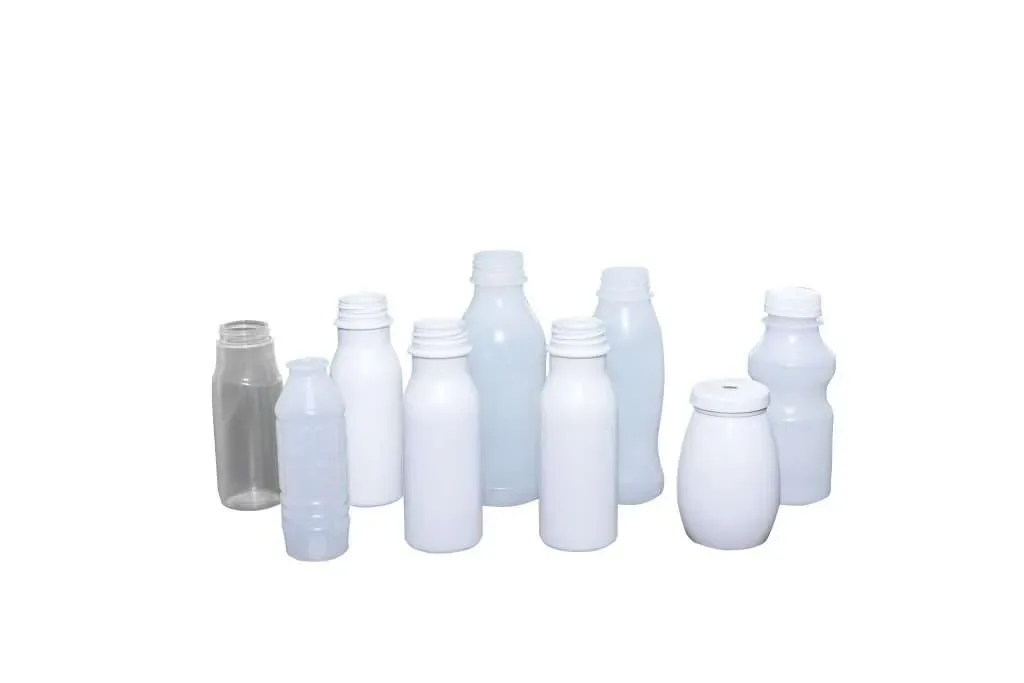
IBM is strongest when the dairy bottle has a straight, accurately molded neck and a body that can be transferred on a core rod. Integral handles, very large formats or other geometry may favor extrusion blow molding. Evaluate the drawing with a process specialist before committing to tooling.
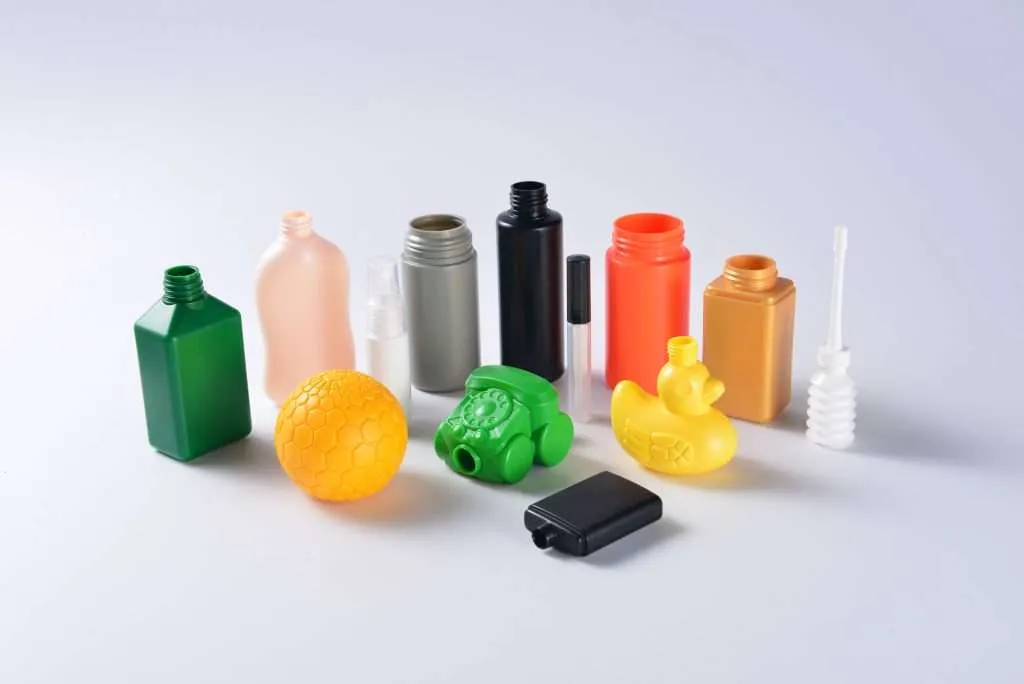
LIANXIN source material describes food and milk packaging projects within its IBM application range and notes overall machine coverage from 3 mL to 1,000 mL for those cited projects. A specific bottle's weight, dimensions and output determine the actual machine and mold.
Design the Bottle for Filling and Cold Distribution
Provide the filling-line supplier with the bottle drawing early. The base must remain stable on conveyors, the neck must center under the filler and capper, and the closure must seal through transport and temperature changes. Bottle panels may need to manage vacuum or product movement without uncontrolled distortion.
- Nominal and brimful volume
- Fill temperature and product temperature during distribution
- Closure drawing, application torque and tamper evidence
- Conveyor contact points and line speed
- Label or sleeve area
- Crate, carton and pallet loading pattern
Protect Food-Contact Compliance
For U.S. projects, 21 CFR 177.1520 covers specified olefin polymers under defined food-contact conditions. The European Commission food-contact legislation page identifies the EU framework's general safety, good manufacturing practice and plastics-specific requirements.
A compliant resin does not automatically make the finished bottle compliant. Review pigments, processing aids, regrind policy, closure components, labels and intended contact conditions. Maintain supplier declarations and lot traceability.
Build Hygiene Into Bottle Handling
The FDA 2025 Grade “A” Pasteurized Milk Ordinance establishes sanitary requirements for mechanical bottling, packaging and container filling. The molding process may occur upstream, but empty bottles still need protection during discharge, storage and transfer to filling.
Map every exposure point: open conveyors, air knives, collection bins, manual handling, warehouse dust and transfer into the filler. Define cleaning, pest control, packaging, first-in-first-out and rejection procedures for empty containers.
Use a Layered Quality Plan
| Stage | Example controls |
|---|---|
| Incoming resin | Identity, lot, condition and supplier documentation |
| Molding process | Approved recipe, alarms, cycle and bottle weight |
| In-process bottle | Neck dimensions, capacity, appearance and leakage |
| Line trial | Conveying, filling, capping, labeling and reject handling |
| Filled package | Seal, drop, load, transport and shelf-life performance |
Use good bottles per hour as the output measure. Theoretical mold cycles do not include rejects, line stops, changeovers or downstream constraints.
Manage Energy and Utilities
Compressed-air performance should be reviewed together with cooling and the rest of the line. The U.S. Department of Energy Better Plants guidance lists lower system pressure, leak reduction, storage and controls, and maintenance among compressed-air improvement measures. Apply them within the approved process window and measure the complete line under a defined load.
LIANXIN publishes machine-specific energy-reduction claims for its hybrid and full-electric architectures. Treat those as supplier claims until the test boundary, comparison baseline and production condition are written into the proposal.
Prepare the Dairy Bottle Project Brief
Send the bottle and closure drawings, HDPE grade, fill and storage conditions, required output, line layout, utility data and acceptance tests. If the project is new, include physical competitive samples only as references; create an owned drawing with controlled dimensions.
For an IBM feasibility review, share the milk bottle brief with LIANXIN. The resulting recommendation should identify the machine, mold, cavities and assumptions behind output.
Frequently Asked Questions
Can injection blow molding make HDPE milk bottles?
Yes for suitable sizes and geometries. Straight-neck small dairy bottles are stronger candidates; handled or large containers require a process comparison.
Is natural HDPE enough to protect milk from light?
Not always. Light-barrier performance depends on product sensitivity, wall, pigment and package design and should be validated for the intended shelf life.
Can recycled HDPE be used for milk bottles?
That depends on market authorization, resin source, process controls and intended use. Obtain qualified regulatory advice and supplier documentation before specifying recycled content.
Which bottle checks should run online?
Common checks include weight, critical neck dimensions, capacity sampling, visual inspection and leakage, supplemented by the project's approved food-package tests.
Should the molding and filling lines be connected?
Either connected or separated layouts can work. The chosen arrangement must protect empty bottles, match line speeds and provide traceable handling and storage controls.