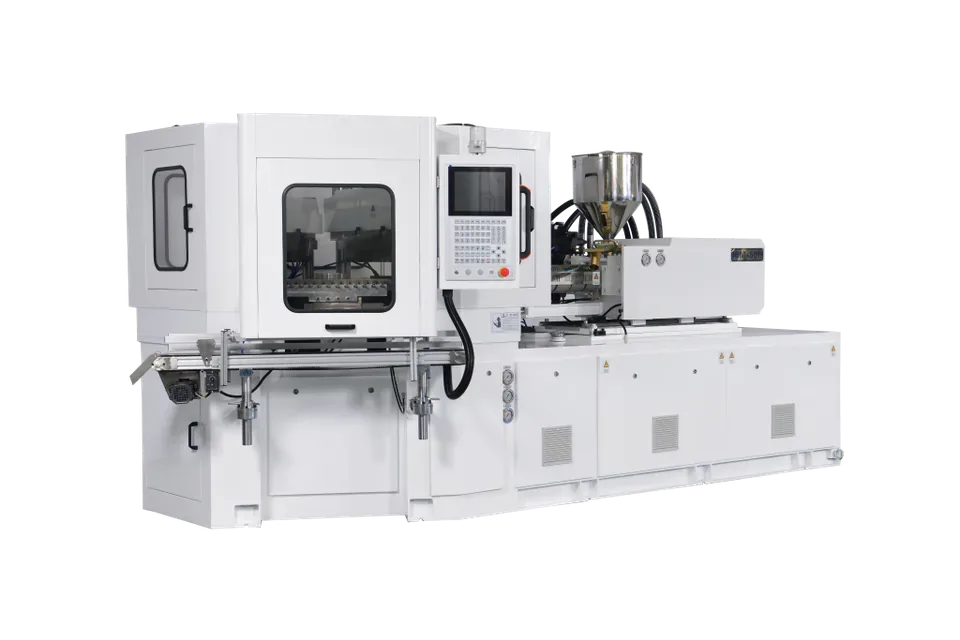
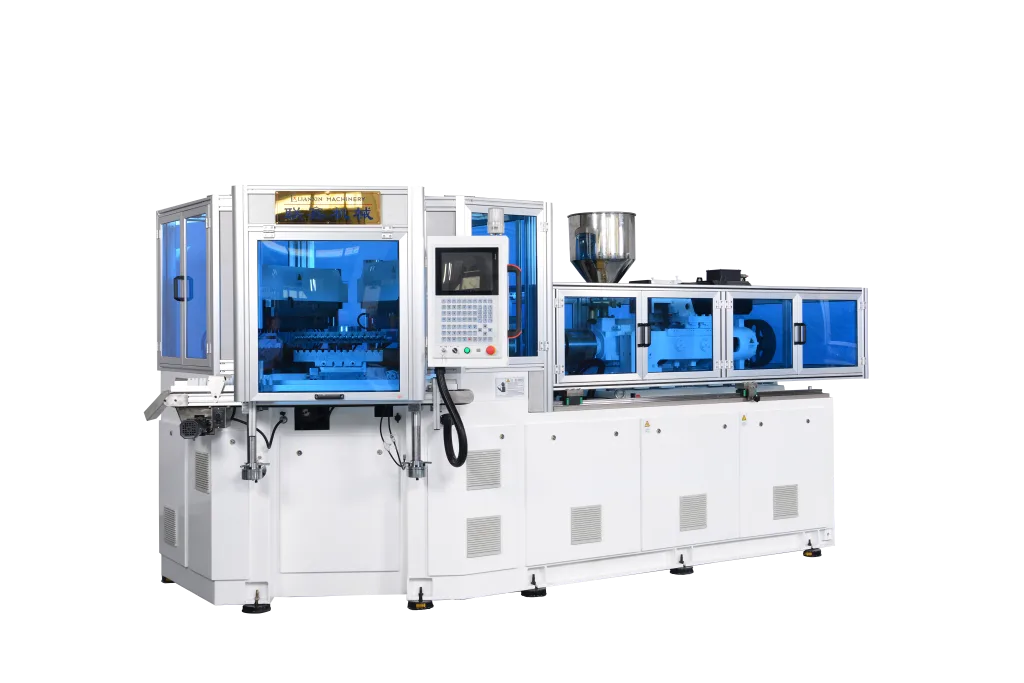
For a 5–25 mL eye drop bottle project, define the bottle, dropper, cap and seal as one container-closure system before selecting the machine or mold. Injection blow molding can form the small neck and bottle body in one indexed process, but sterility, dose delivery and compatibility still require product-specific development and validation.
Why Eye Drop Bottles Are a Specialized Package
Ophthalmic products are applied to the eye and therefore carry a high consequence if contaminated or incorrectly delivered. FDA consumer information on eye drops notes that products used in the eyes must be sterile. Packaging development must reflect that risk rather than treating the bottle as a generic small container.
FDA container-closure guidance describes ophthalmic solutions as commonly marketed in an LDPE bottle with a dropper built into the neck. It also highlights compatibility, safety and the potential for particulate matter. The exact package may differ, but these are central development questions.
Choose the Nominal Volume and Headspace Together
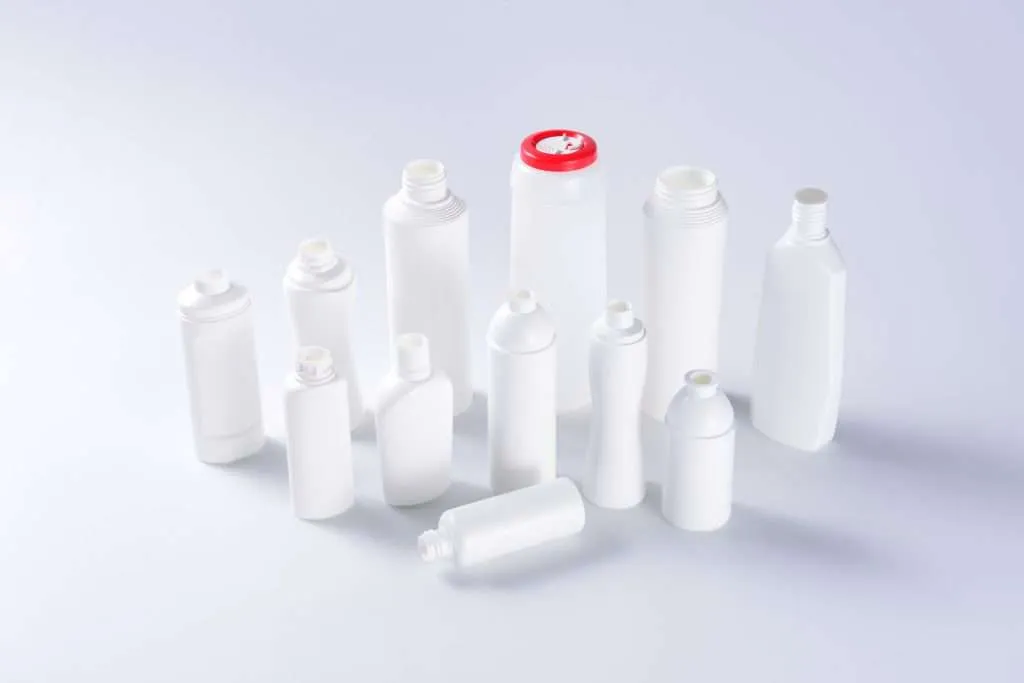
LIANXIN source material records completed eye-drop bottle projects at 5, 10, 15, 18, 20 and 25 mL. Nominal volume does not define the mold by itself. Provide brimful capacity, fill volume, required headspace, overall dimensions and the target number of delivered drops.
Headspace influences filling and use, while bottle stiffness affects squeezing and dose delivery. The pharmaceutical company should define functional requirements with its formulation, filling and device teams before locking the bottle wall and geometry.
Engineer the Neck, Dropper and Cap as One Interface
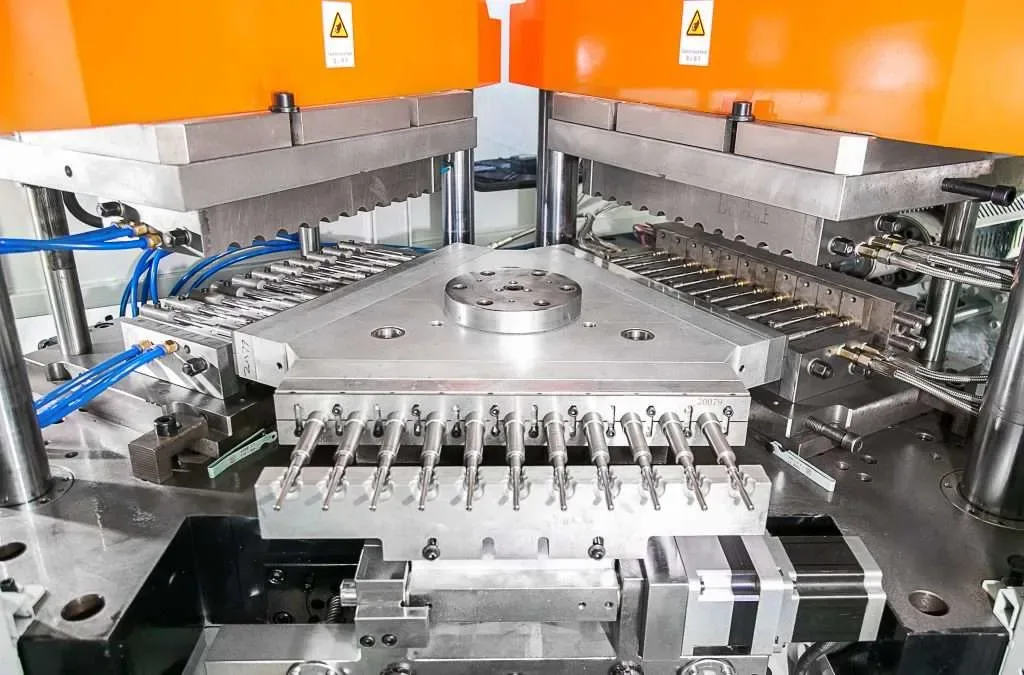
The injection stage forms the bottle neck, making core-rod and neck-tooling decisions critical. Define the sealing land, thread or snap profile, dropper insertion or integral tip, cap engagement and any tamper-evident feature. Dimension the interfaces from approved drawings rather than reverse-engineering nominal measurements from a sample.
- Critical neck diameters and height
- Dropper or nozzle retention force
- Cap application and removal torque where applicable
- Seal integrity before and during use
- Tip protection and tamper evidence
- Drop size and delivery consistency under the approved test method
Control the Material and Molding Window
LDPE is common for squeezable ophthalmic bottles, but the actual grade, additives and sterilization route must suit the formulation and dispensing behavior. Record resin lot, drying or handling requirements, melt conditions, mold temperatures, cycle and bottle weight during trials.
Use dimensional studies to understand shrinkage and conditioning time. A neck that measures correctly at ejection can change as the bottle cools. Establish when measurements are taken and use the same method for tooling approval and production control.
Build Clean Handling Beyond the Mold
Review the full path from resin receipt to bottle packing: closed material transfer, filtered air where required, mold-area protection, bottle discharge, conveyors, collection, bagging, personnel flow and maintenance access. A clean machine inside an uncontrolled handling chain cannot protect the bottle alone.
Agree whether bottles will be molded in the pharmaceutical facility, supplied ready for a later process or sterilized by another validated route. The answer changes the equipment layout, packaging, bioburden controls and documentation.
Test the Complete Container-Closure System
| Test area | Example question |
|---|---|
| Dimensions | Does the bottle consistently accept the dropper and cap? |
| Integrity | Does the closed system protect the product through shelf life and use? |
| Delivery | Is drop formation repeatable over the intended use sequence? |
| Compatibility | Do bottle, closure and formulation interact acceptably? |
| Particulates and cleanliness | Are defined limits met after molding, handling and storage? |
| Stability | Does the packaged product remain within specification? |
Machine acceptance should use measurable bottle criteria, but it cannot replace pharmaceutical validation. For U.S. drug products, 21 CFR 211.94 requires containers and closures to protect against foreseeable external factors, avoid harmful interaction with the drug, and be clean and, where indicated, sterilized and processed to remove pyrogenic properties. The product owner must translate the applicable requirements into package and process tests.
Prepare the Scale-Up Brief
Send the bottle and closure drawings, resin grade, size, target output, cavity plan, clean-area requirement and acceptance criteria. State whether cap and plug molds are part of the same project. LIANXIN notes cooperative mold support for bottle caps and plugs in prior eye-drop projects; confirm the exact scope in the quotation.
To start an engineering review, share the eye-drop bottle drawing and required output. Keep formulation compatibility and regulatory decisions with the qualified pharmaceutical team.
Frequently Asked Questions
What sizes of eye drop bottles can injection blow molding produce?
LIANXIN source material lists completed 5, 10, 15, 18, 20 and 25 mL projects. Every new design still needs a bottle, resin, mold and machine review.
Is LDPE the only resin for eye drop bottles?
No, but LDPE is common because it can support squeezable dispensing. The exact polymer and grade must suit the formulation, sterilization route and delivery system.
Does the machine make the cap and dropper too?
The IBM machine makes the bottle. Caps, plugs or droppers normally require separate tooling and processes, which should be coordinated with the bottle neck design.
Can a molded bottle be called sterile at ejection?
Do not make that assumption. Sterility depends on the validated manufacturing and handling system, environmental controls and subsequent filling and closing process.
Which drawing should be finalized first?
Develop the bottle neck, dropper and cap interfaces together. Freezing one component before the others creates avoidable tooling changes.