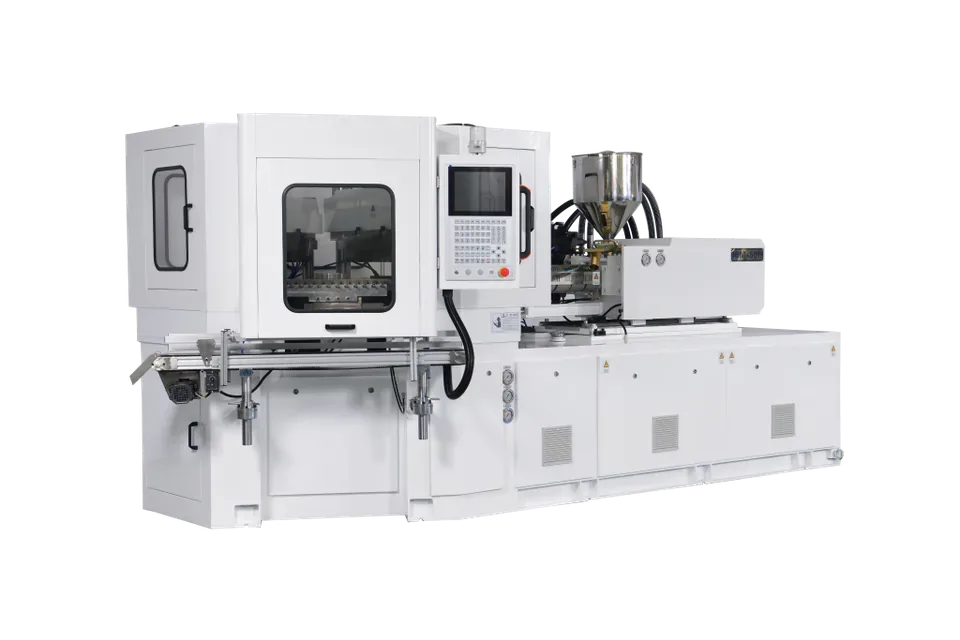
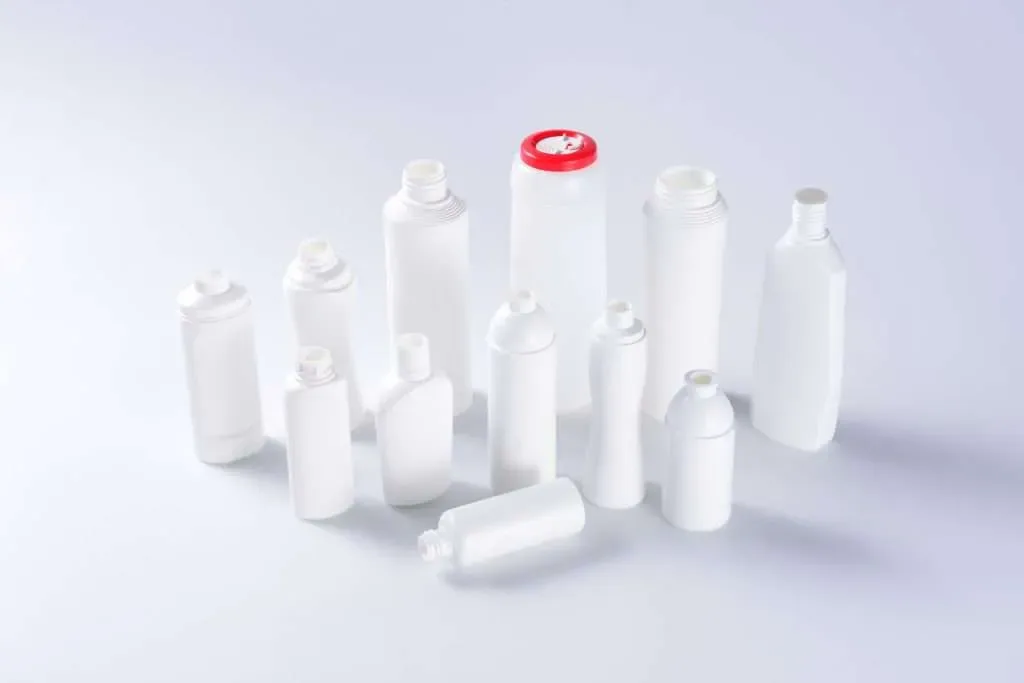
A useful injection blow molding maintenance plan protects people first, then stabilizes bottle quality and production output. Build the schedule from the machine manual and operating hours, but organize the work around seven systems: safety, utilities, material handling, plastication, molds and core rods, motion and controls, and downstream bottle handling.
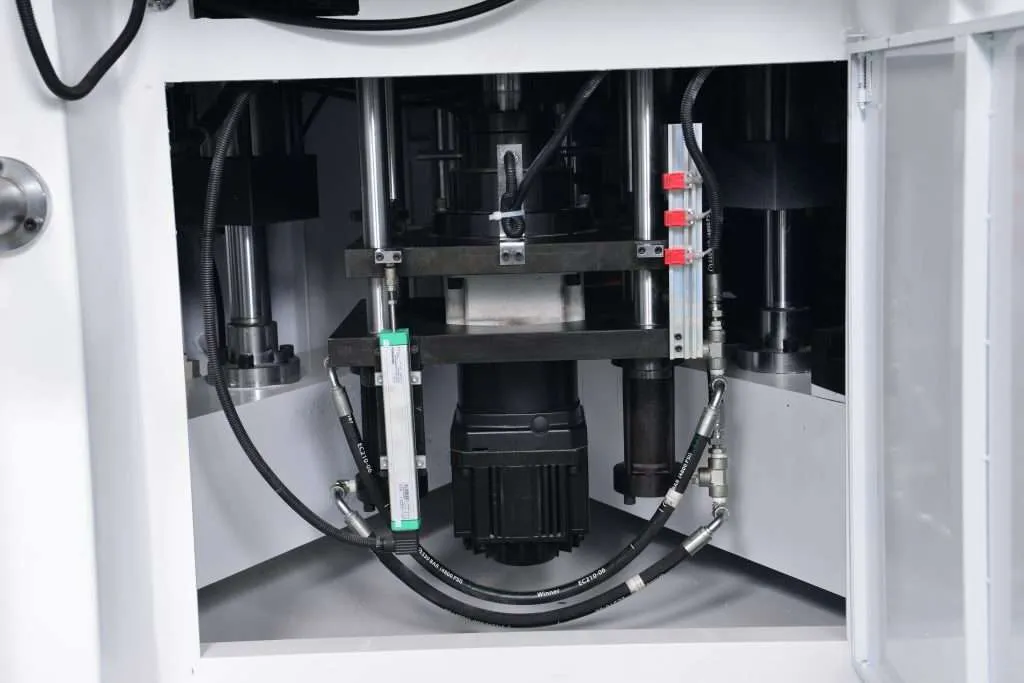
Safety Comes Before the Checklist
Maintenance can expose electrical, mechanical, hydraulic, pneumatic and thermal energy. U.S. OSHA's hazardous-energy guidance explains lockout/tagout requirements for servicing and maintenance when workers can be exposed to unexpected startup or stored energy. OSHA's more specific energy-control-circuitry guidance states that control circuitry, including interlocking gates, is not an energy-isolation device or permissible substitute under the standard.
Create machine-specific energy-control procedures, train authorized and affected employees, verify isolation and restore guards before release. Follow local law and the equipment manual; this article is a planning guide, not a site safety procedure.
Daily Operator Checks
- Confirm guards, gates, emergency stops and interlocks are functional.
- Inspect for oil, water and compressed-air leaks.
- Review alarms, cycle variation and unusual noise or vibration.
- Check resin feed, dryer or hopper condition and material cleanliness.
- Inspect mold area, core rods and ejection for visible buildup or damage.
- Record bottle weight, neck dimensions, leakage and visual defects.
- Keep cooling and air pressures within the approved operating range.
Operators should record exceptions, not merely tick boxes. A slow trend in cycle time or bottle weight can be more useful than a late breakdown alarm.
Weekly Production-System Review
Inspect filters, lubrication levels, hoses, cables, sensors and accessible fasteners according to the manual. Check mold and core-rod connections for leaks or restriction. Clean approved surfaces with the specified method and verify that waste, resin dust and rejected bottles are removed from the machine area.
Review compressed-air leakage and chiller performance. The U.S. Department of Energy Better Plants guidance lists lowering system pressure, reducing leaks, improving storage and controls, and upgrading maintenance among the top compressed-air performance measures. Apply those measures within the validated bottle-forming window rather than raising pressure to mask a leak or process fault.
Monthly or Operating-Hour Tasks
Use the manufacturer's interval, which may be based on calendar time, running hours or cycles. Typical planning categories include electrical cabinet filters and cooling, servo or hydraulic condition, clamp and indexing alignment, screw and barrel performance, mold cooling, safety-device inspection and backup of approved recipes.
| System | Trend to review |
|---|---|
| Plastication | Recovery time, melt consistency, pressure and bottle weight |
| Indexing and clamp | Motion time, position error, vibration and mold alignment |
| Cooling | Supply and return temperatures, flow, pressure and cycle |
| Compressed air | Pressure stability, leaks, filtration and bottle formation |
| Hydraulic system | Level, temperature, filters, leaks and oil condition where applicable |
| Electrical and servo | Drive alarms, cabinet temperature, fans and connections |
Use Bottle Quality as Condition Data
Maintenance and quality records should meet. A change in neck dimensions may point to tooling temperature or wear. Base deformation can follow cooling imbalance. Flash-like defects, sticking, scratches, black specks or unstable weight each provide clues.
Trend defects by cavity, core rod, mold position, resin lot and time. Cavity-level data can identify a local cooling restriction or damaged component before the whole machine loses output.
Separate Hybrid and Full-Electric Tasks
Hybrid machines add hydraulic oil, filters, hoses, seals, pumps or valves to the maintenance scope, depending on configuration. Full-electric machines reduce that hydraulic scope but increase reliance on servo drives, ball screws, encoders, electrical cooling and motion diagnostics. Neither architecture is maintenance-free.
LIANXIN's IBM-H uses electro-hydraulic hybrid motion, while IBM-E uses full-electric servo control and an ETHERCAT-based control system. Build model-specific schedules from the supplied manual rather than applying one generic checklist across the factory.
Control Mold and Core-Rod Maintenance
Protect critical neck and preform surfaces during removal and storage. Clean cooling passages using an approved method, inspect seals and air paths, verify venting and keep matched multi-cavity components identified. Measure critical wear parts before bottle defects appear.
After work, use a controlled restart: restore connections, verify tools and guards, run low-risk checks, confirm process settings and inspect first-off bottles against the approved specification.
Manage Spares, Backups and Documentation
Classify spares by consequence and lead time. Hold parts that can stop the line and cannot be sourced quickly, while avoiding uncontrolled substitutions. Keep electrical drawings, software and recipe backups, parameter-change records and as-built mold documentation accessible.
NIST manufacturing research describes prognostics and health-management information as a way to support preventive, predictive and higher-level manufacturing decisions. Start simply: reliable failure codes, cycle and utility trends, repair history and bottle-quality data can improve the next maintenance interval.
Review the Plan Every Quarter
Compare planned tasks with breakdowns, defects, spare use and production loss. Shorten intervals when evidence shows deterioration and lengthen them only through controlled review. Include operators, maintenance, quality and production planning so the schedule protects output instead of competing with it.
For model-specific manuals, parts and technical support, contact LIANXIN with the machine model and symptom history.
Frequently Asked Questions
How often should an injection blow molding machine be serviced?
Follow the model manual and operating-hour schedule, then adjust through documented condition and failure data. Daily operator checks do not replace periodic technical service.
Can maintenance be performed with the machine stopped but powered?
Only when an approved procedure and applicable safety rules allow it. Tasks exposing workers to hazardous energy generally require energy isolation and lockout/tagout.
Which spare parts should be stocked?
Prioritize safety-critical, high-wear and long-lead components whose failure would stop production. Use the OEM list and actual failure history.
What quality signals indicate maintenance is needed?
Watch cycle drift, weight variation, neck changes, leakage, sticking, surface defects, unusual sound, vibration and repeated alarms, preferably by cavity and time.
Are full-electric machines maintenance-free?
No. They reduce hydraulic maintenance but still require safety, servo, mechanical, electrical, cooling, mold, air and material-system care.