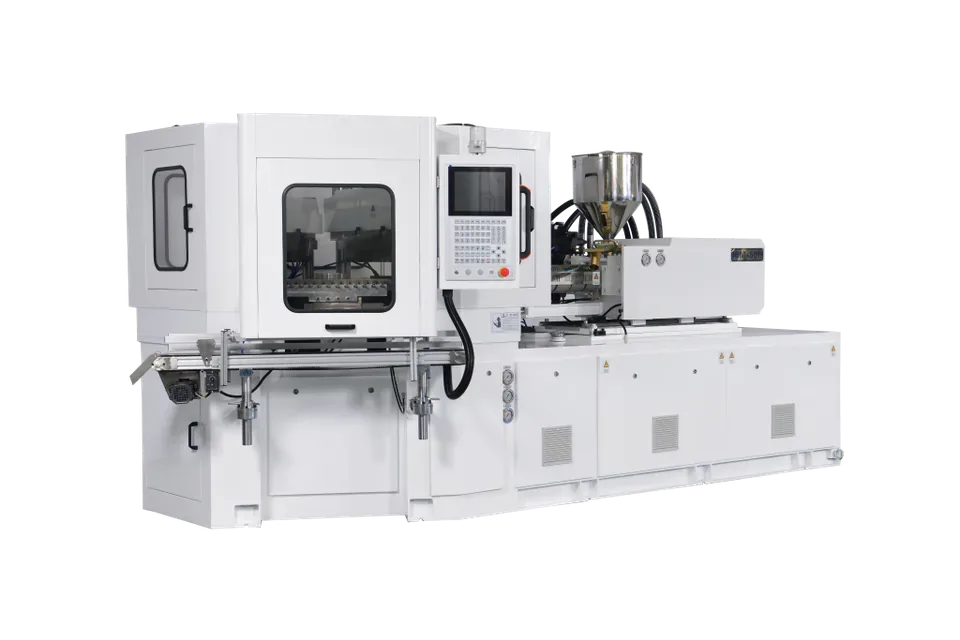
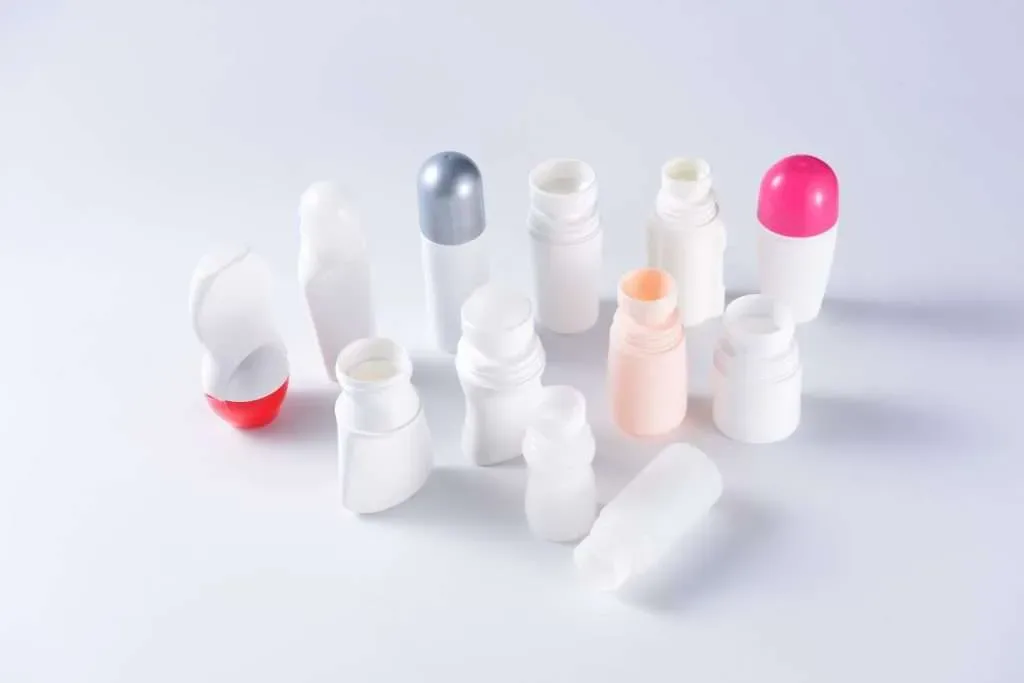
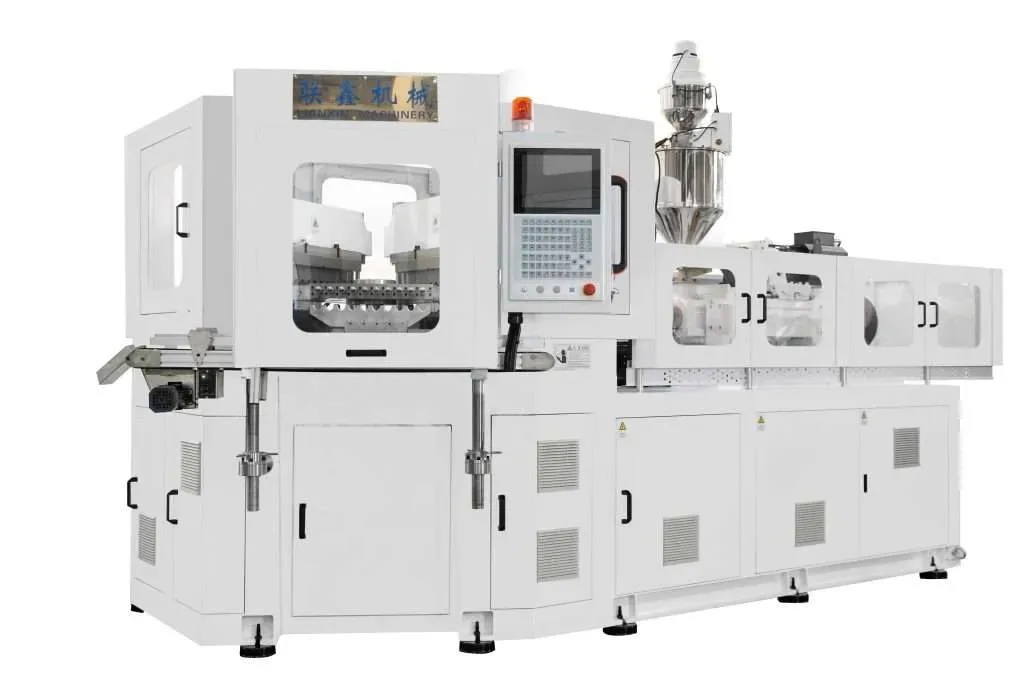
Injection blow molding can produce small pharmaceutical bottles with a molded neck, consistent body and no normal body-trimming step, but the machine is only one part of a compliant package. A successful project connects resin, bottle, closure, manufacturing environment, inspection and drug-product validation from the first drawing.
Why Injection Blow Molding Is Used for Pharmaceutical Bottles
The process injection molds a preform around a core rod, transfers it to a blow mold and expands the body with compressed air. The neck is formed during injection, which supports detailed threads, sealing surfaces and small openings. Finished bottles are removed after cooling without the body pinch-off flash typical of extrusion blow molding.
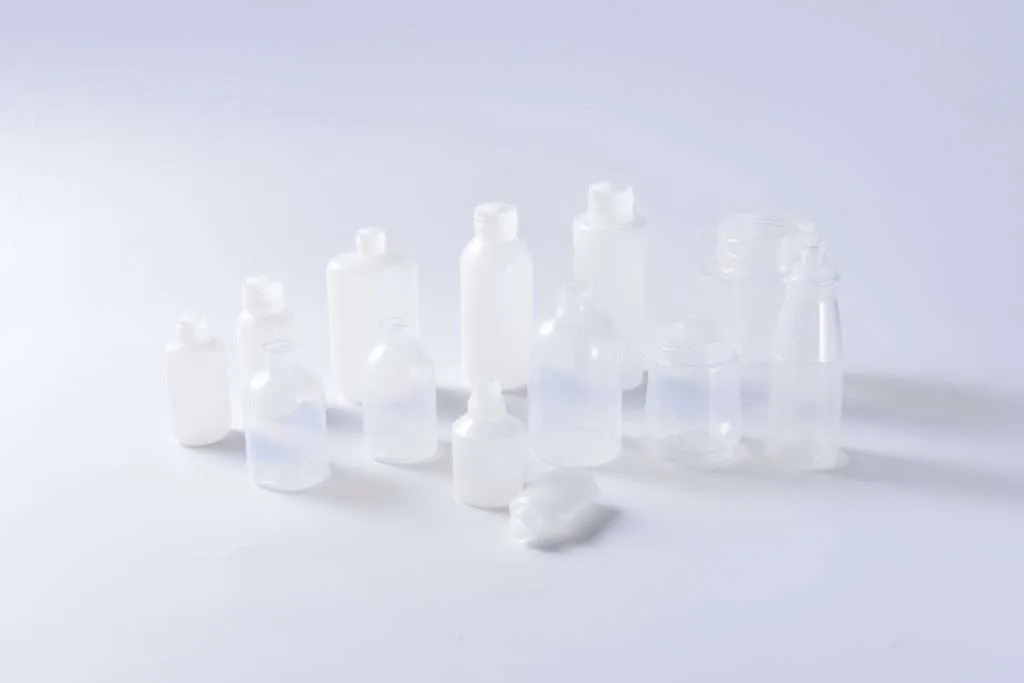
LIANXIN source material describes pharmaceutical IBM projects from 3 mL to 1,000 mL across different machine configurations, including eye-drop bottle sizes from 5 mL to 25 mL. These figures define prior application coverage, not automatic suitability for every medicine or container.
Treat the Bottle and Closure as a System
The U.S. FDA container-closure guidance uses the term container-closure system because the bottle cannot be qualified in isolation. The resin, colorant, cap, plug, liner, induction seal and dispensing feature can all affect protection and compatibility. Define the complete system and its intended route of administration.
FDA guidance says each proposed packaging system should have enough information to show suitability for its intended use. A system accepted for one drug product is not automatically suitable for another, so avoid transferring a bottle design without reviewing the new formulation and use conditions.
For U.S. drug products, 21 CFR 211.94 requires containers and closures to protect the product and avoid harmful interaction under the applicable manufacturing controls. The rule does not select a bottle resin, machine or mold for the project.
Build a Clear User Requirement Specification
- Dosage form and route of administration
- Nominal and brimful volume
- Exact resin, additives and color system
- Neck finish, closure and sealing method
- Dimensional, leak and appearance criteria
- Clean-area or cleanroom classification and monitoring strategy
- Traceability, sampling and electronic-record requirements
- Target output, shifts and changeover plan
The equipment supplier needs enough of this specification to design the machine, mold and interfaces. Confidential formulation data can remain with the pharmaceutical company and its qualified testing partners.
Control Contamination at the Equipment Level
Clean manufacturing is a system, not a label on a machine. Review lubrication points, hydraulic components, particle-generating wear surfaces, guarding, compressed air, material transfer, bottle discharge, cleaning access and maintenance practices. Determine which surfaces contact resin, preforms, bottles or closures and how they will be cleaned and inspected.
Full-electric or cleanroom-oriented configurations can reduce particular contamination sources, but they do not by themselves create a validated pharmaceutical process. ISO 14644-1 classifies air cleanliness by airborne particle concentration; it does not certify a standalone molding machine. The facility owner must qualify the room, utilities, procedures and process together.
Define In-Process Bottle Controls
| Control | Why it matters |
|---|---|
| Bottle weight | Signals shot and process consistency |
| Neck dimensions | Supports closure fit and sealing performance |
| Brimful capacity | Checks volume and body consistency |
| Leak test | Screens container defects under the defined method |
| Visual inspection | Identifies contamination, burns, short shots and surface defects |
| Traceability | Connects bottles to resin, mold, machine settings and production time |
Acceptance limits should come from the approved package specification. A machine trial can demonstrate repeatability, while laboratory and stability work establish suitability for the drug product.
Plan Qualification and Change Control
Document design review, factory acceptance, installation, operating ranges, alarms, calibration points, preventive maintenance and operator training. Identify critical settings and protect approved recipes from uncontrolled change. When resin, mold, closure or process parameters change, evaluate the effect on the validated container-closure system.
LIANXIN can review the equipment and mold scope when provided with the bottle drawing, resin, neck and output requirement. Begin with a pharmaceutical bottle project brief, then align machine acceptance with the owner's qualification plan.
Frequently Asked Questions
Is an injection blow molding machine FDA approved?
FDA requirements apply to regulated products and manufacturing controls; equipment must be selected, qualified and used within the manufacturer's compliant quality system. Avoid treating a machine logo or certificate as package approval.
Can IBM make sterile pharmaceutical bottles?
IBM can make bottles intended for sterile applications, but sterility depends on the complete manufacturing, handling, filling, closing and validation process.
Which resin is used for pharmaceutical bottles?
HDPE, LDPE, PP and other polymers may be considered depending on the dosage form and package requirements. The exact grade requires compatibility and regulatory review.
What bottle tests should be included?
Typical controls cover dimensions, capacity, weight, leakage, appearance and closure fit; product-specific compatibility, integrity, stability and other tests are defined by the owner and applicable requirements.
What should be included in a machine FAT?
Use the agreed bottle, resin and mold to verify safety functions, utilities, cycle, output assumptions, alarms, repeatability and agreed bottle acceptance criteria.