Injection blow molding is a practical route for small cosmetic bottles and jars when the project needs a controlled neck, smooth body and repeatable fit with a roll-on, pump, plug or cap. The process can create the package shape, but commercial success depends on matching resin, closure, formula, decoration and hygiene requirements before the mold is cut.
Which Cosmetic Packages Fit Injection Blow Molding?
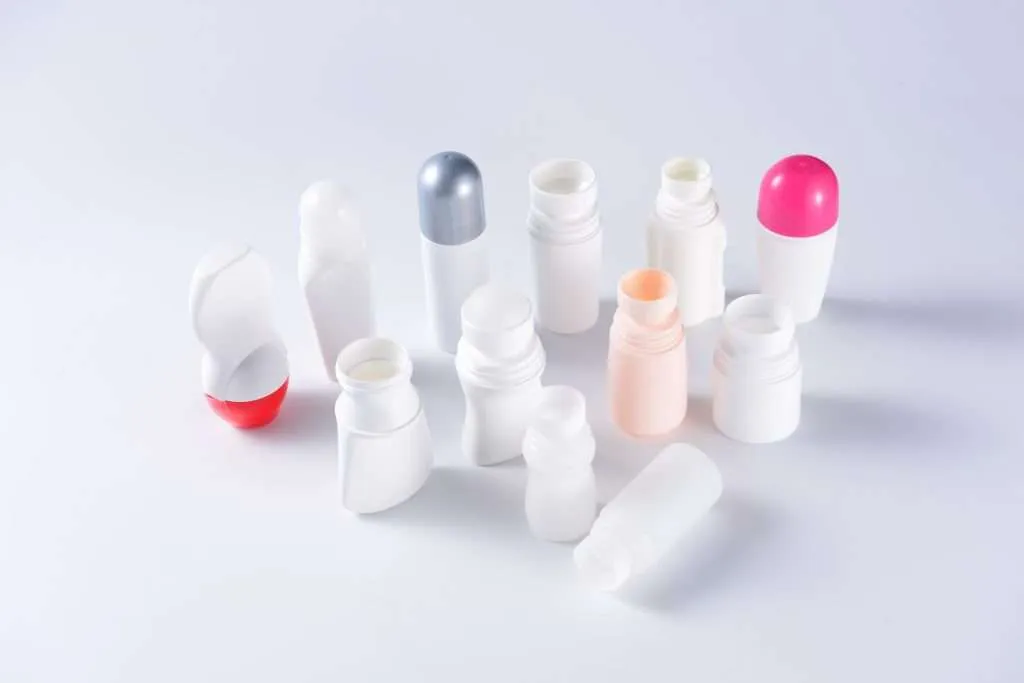
LIANXIN source material identifies petroleum-jelly bottles, wide-mouth jars, roll-on perfume bottles and mascara bottles among prior cosmetic IBM applications. These packages share a need for a defined opening and controlled interfaces, although their body shapes and dispensing systems differ.
A process review should begin with geometry. Integral handles and very large containers may point to another blow molding method; small bottles with threaded or snap-on closures are stronger IBM candidates. Send the whole pack, not only the bottle body.
Define the Dispensing System Before the Bottle Neck
Roller balls, wipers, pumps, plugs, brushes and caps each create different forces and sealing requirements. Establish the component stack, insertion method, retention force, torque window and leak path. If a standard closure will be used, obtain the supplier drawing and tolerances.
- Neck bore, outside diameter and height
- Thread, snap bead or press-fit geometry
- Sealing land and liner contact
- Tamper-evident ring or overcap interface
- Decoration and label keep-out zones
- Filling nozzle clearance and line handling
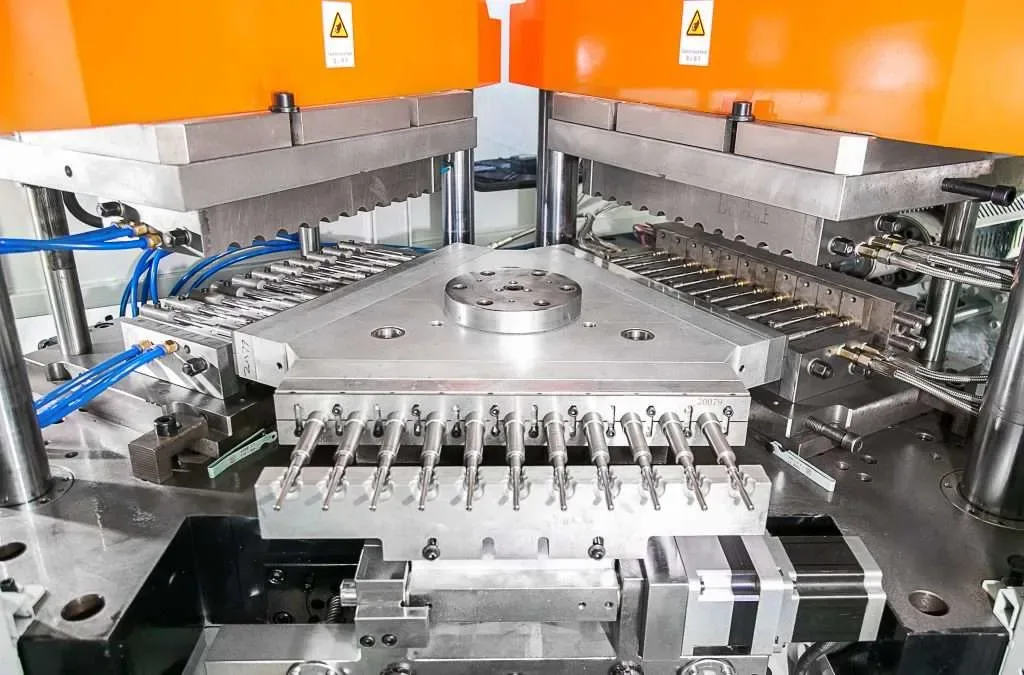
The neck is injection molded during the preform stage, so changes after steel approval can affect core rods and neck tooling. Resolve the closure interface early.
Select Resin Against the Formula and User Experience
PE, HDPE, LDPE, PP and PS can appear in cosmetic packaging, but each commercial grade behaves differently. Consider formula chemistry, fragrance, oils, alcohol, surfactants, pigments, UV exposure, squeezing, drop performance and storage temperature.
Appearance alone is not enough. A glossy sample can still fail through stress cracking, permeation, odor change, paneling or closure leakage. Run compatibility and stability studies with the actual formula, production color and complete closure system.
Translate “Premium Look” Into Measurable Criteria
Words such as premium, shiny or seamless need an inspection standard. Create approved visual samples under controlled lighting and define the viewing distance, defect zones and limits. Add measurable requirements for bottle weight, capacity, critical dimensions, standing stability and closure fit.
| Quality area | Useful project control |
|---|---|
| Surface | Approved color, gloss and defect boundary samples |
| Neck | Critical dimensions plus functional closure test |
| Body | Weight, capacity, wall distribution and paneling checks |
| Use | Squeeze, roll-on, pump or applicator performance |
| Decoration | Print, label, coating or metallization adhesion trial |
| Package | Leak, compatibility, stability and transport evaluation |
Protect the Bottle From Contamination
The U.S. FDA microbiological-safety page identifies inadequate packaging, poor manufacturing conditions and weak preservation among possible routes to cosmetic microbial contamination. Its cosmetic GMP inspection checklist also calls for primary packaging materials to be stored and handled to prevent mix-up, microbial or chemical contamination and harmful environmental exposure.
For finished cosmetic products placed on the EU market, the current consolidated Cosmetics Regulation (EC) No 1223/2009 requires product safety under Article 3 and manufacturing in accordance with good manufacturing practice under Article 8. Those obligations apply to the finished cosmetic product and its responsible supply chain; they do not certify an empty bottle or molding machine by themselves.
Review resin storage, material transfer, mold-area cleanliness, bottle discharge, conveyor covers, collection, packing and warehouse conditions. A bottle that leaves the mold clean can be contaminated by an open tote or uncontrolled handling step.
Plan Decoration and Filling During Tooling
Labels and printing need consistent panel geometry. Filling lines need bottle stability, neck access and compatible conveying surfaces. Provide the downstream supplier with early molded samples and feed its requirements back into the drawing before final tool approval.
When multiple colors or formulas will run, document changeover and cleaning methods. Dark pigment left in the material path or lubricant near the product zone can create quality problems even when machine motion remains stable.
Choose the Machine From the Production Brief
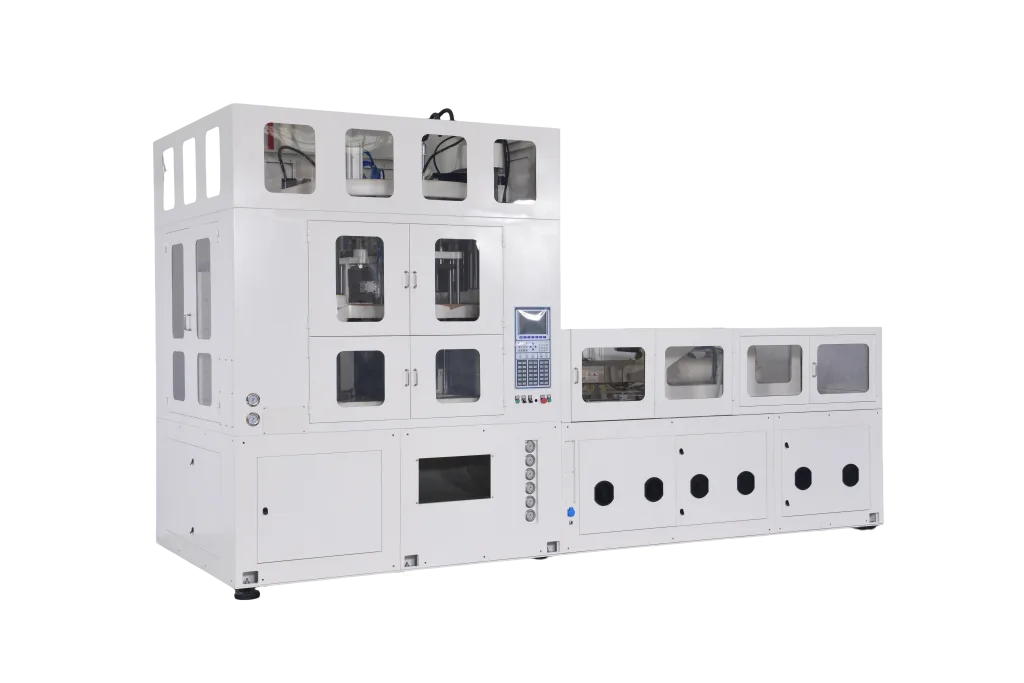
LIANXIN offers hybrid and full-electric IBM architectures across different machine sizes. Compare them using the actual mold, cavity count, output, clean-area needs, utility limits and changeover frequency. For the architecture decision, review the existing full-electric versus hybrid guide.
To request a project review, send the cosmetic bottle, closure drawing, resin and output target. Include decoration and filling constraints so the machine-and-mold proposal serves the complete line.
Frequently Asked Questions
Can injection blow molding make roll-on bottles?
Yes, roll-on perfume and similar packs are established IBM applications. The ball housing, plug and cap interfaces must be designed with the bottle neck.
Can IBM make wide-mouth cosmetic jars?
It can make selected wide-mouth containers, subject to geometry, core-rod, mold and ejection review. Send the drawing for feasibility confirmation.
Which resin gives the glossiest cosmetic bottle?
Surface appearance depends on resin grade, pigment, mold finish and processing. Select the material first for formula and package performance, then optimize appearance through trials.
Does a cosmetic bottle require cleanroom production?
The required environment depends on the product, market and manufacturer's risk assessment. Even outside a classified cleanroom, controlled material handling and hygienic packaging practices remain important.
When should decoration trials begin?
Begin with development samples before final tooling approval, especially when using printing, labels, coatings or metallization that need stable panels and surface energy.